International Baccalaureate Philosophy
Core Theme Collection
Freedom & Determinism
The free will and determinism debate revolves around the extent to which human behavior is the result of forces over which humas have no control or whether people are able to decide for themselves whether to act or behave in a certain way.
PLATO
In Book IV of The Republic, Plato posits rational, spirited, and appetitive aspects to the human soul. The wise person strives for inner ‘justice’, a condition in which each part of the soul plays its proper role—reason as the guide, the spirited nature as the ally of reason, exhorting oneself to do what reason deems proper, and the passions as subjugated to the determinations of reason. In the absence of justice, the individual is enslaved to the passions.
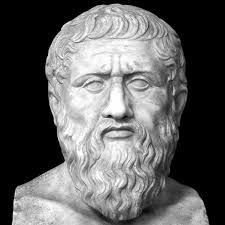
freedom for Plato is a kind of self-mastery, attained by developing the virtues of wisdom, courage, and temperance, resulting in one’s liberation from the tyranny of base desires and acquisition of a more accurate understanding and resolute pursuit of the Good.
John Locke
John Locke denied that the phrase "free will" made any sense. He also took the view that the truth of determinism was irrelevant. He believed that the defining feature of voluntary behaviour was that individuals have the ability to postpone a decision long enough to reflect or deliberate upon the consequences of a choice: "... the will in truth, signifies nothing but a power, or ability, to prefer or choose".
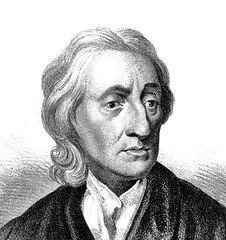
The will is a power and freedom is a power, namely the power to do or not do as one wills. But, as Locke emphasizes, the question of whether one power has another power is “a Question at first sight too grosly absurd to make a Dispute, or need an Answer”. The question of whether the will is free, then, presupposes that the will is a substance, rather than a power, and therefore makes no more sense than the question of whether a man’s “Sleep be Swift or his Vertue square” To suppose that the will is free or not free is therefore to make a category mistake
John-Paul Sartre
Jean-Paul Sartre believed that human beings live in constant anguish, not solely because life is miserable, but because we are 'condemned to be free'. While the circumstances of our birth and upbringing are beyond our control, he reasons that once we become self-aware (and we all do eventually), we have to make choices — choices that define our very 'essence'. Sartre's theory of existentialism states that “existence precedes essence”, that is only by existing and acting a certain way do we give meaning to our lives.